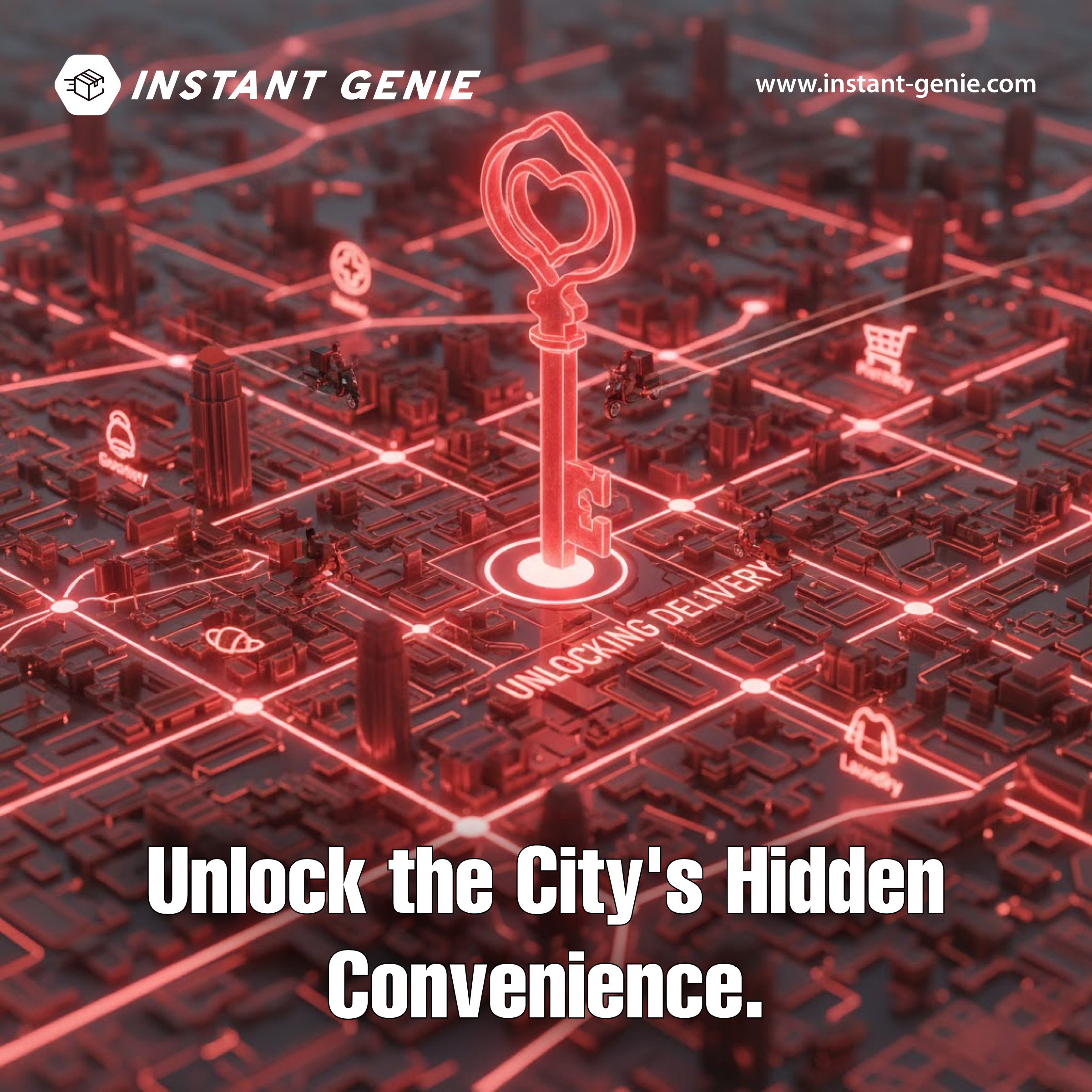
Modern cities are alive with movement—people, products, services, and ideas flowing constantly through dense urban networks. Yet despite all this activity, everyday convenience often feels fragmented. Multiple apps, delayed deliveries, unclear availability, and inefficient routes still stand between people and the services they need. This is where the idea of unlocking a city’s hidden convenience truly begins.
At its core, urban convenience is not about doing more—it’s about doing things smarter.
The Invisible Network Behind Daily Life
Every city operates on an invisible grid. Homes, offices, shops, warehouses, restaurants, and service providers are already connected geographically, but not always digitally or intelligently. When these connections remain underutilized, residents experience delays, higher costs, and unnecessary complexity.
Hidden convenience exists within this grid. It emerges when technology understands proximity, demand, and timing—and then aligns them seamlessly.
From Location to Intelligent Access
Traditional delivery and service models rely on static systems: fixed routes, predefined zones, and limited real-time adaptability. In contrast, modern smart platforms analyze city data dynamically. They identify the fastest paths, the nearest providers, and the most efficient fulfillment methods—often before the user even asks.
This shift transforms convenience from a reactive service into a proactive experience. Orders move faster, services arrive precisely when needed, and urban resources are utilized more efficiently.
Redefining Last-Mile Experiences
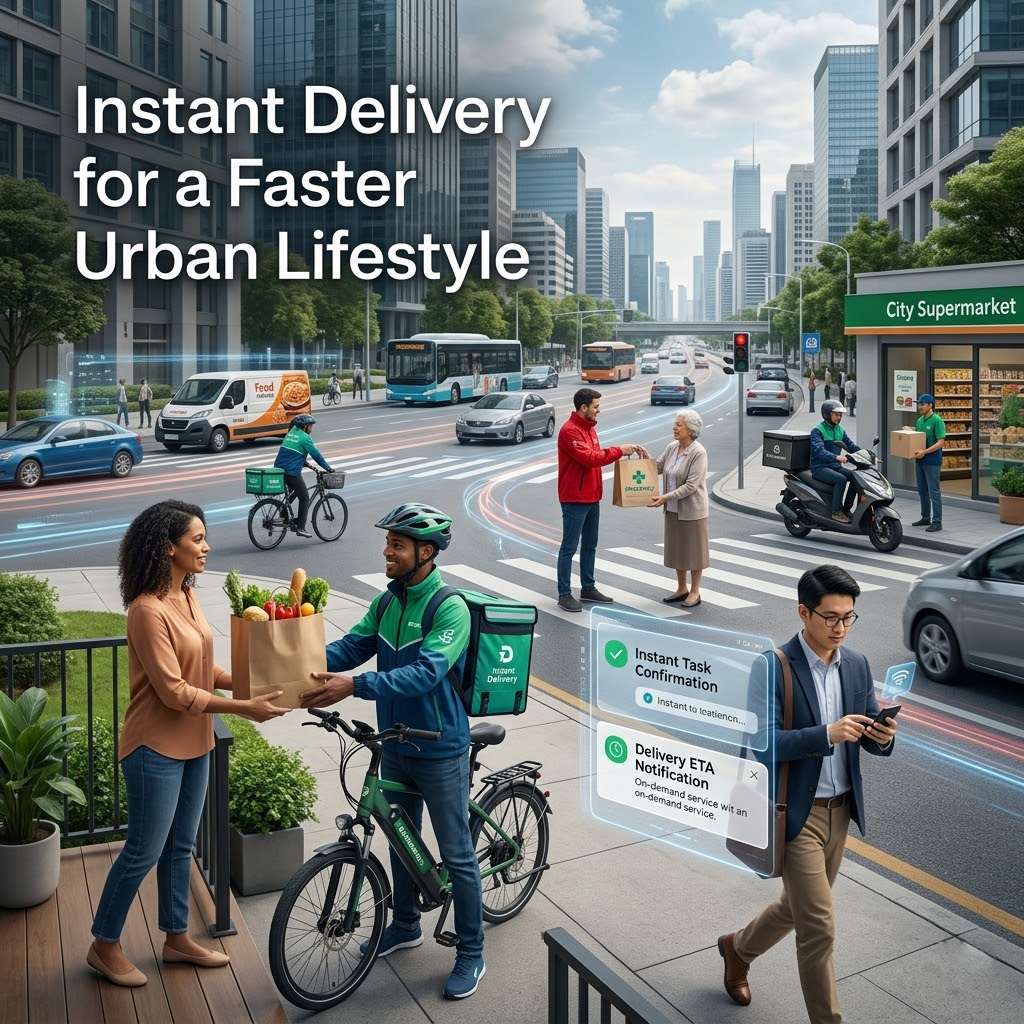
The last mile has always been the most complex part of city logistics. Traffic congestion, unpredictable demand, and scattered addresses make it expensive and time-consuming. Intelligent city platforms reduce this friction by clustering deliveries, optimizing routes, and using real-time signals from the environment.
The result is not just speed, but reliability. Customers gain confidence knowing that the system adapts to the city as it changes hour by hour.
Convenience for Businesses and Consumers Alike
Hidden convenience is not limited to end users. Local businesses benefit just as much. By tapping into smarter delivery and service networks, they can reach customers faster without expanding infrastructure. Inventory moves efficiently, operational costs drop, and customer satisfaction rises.
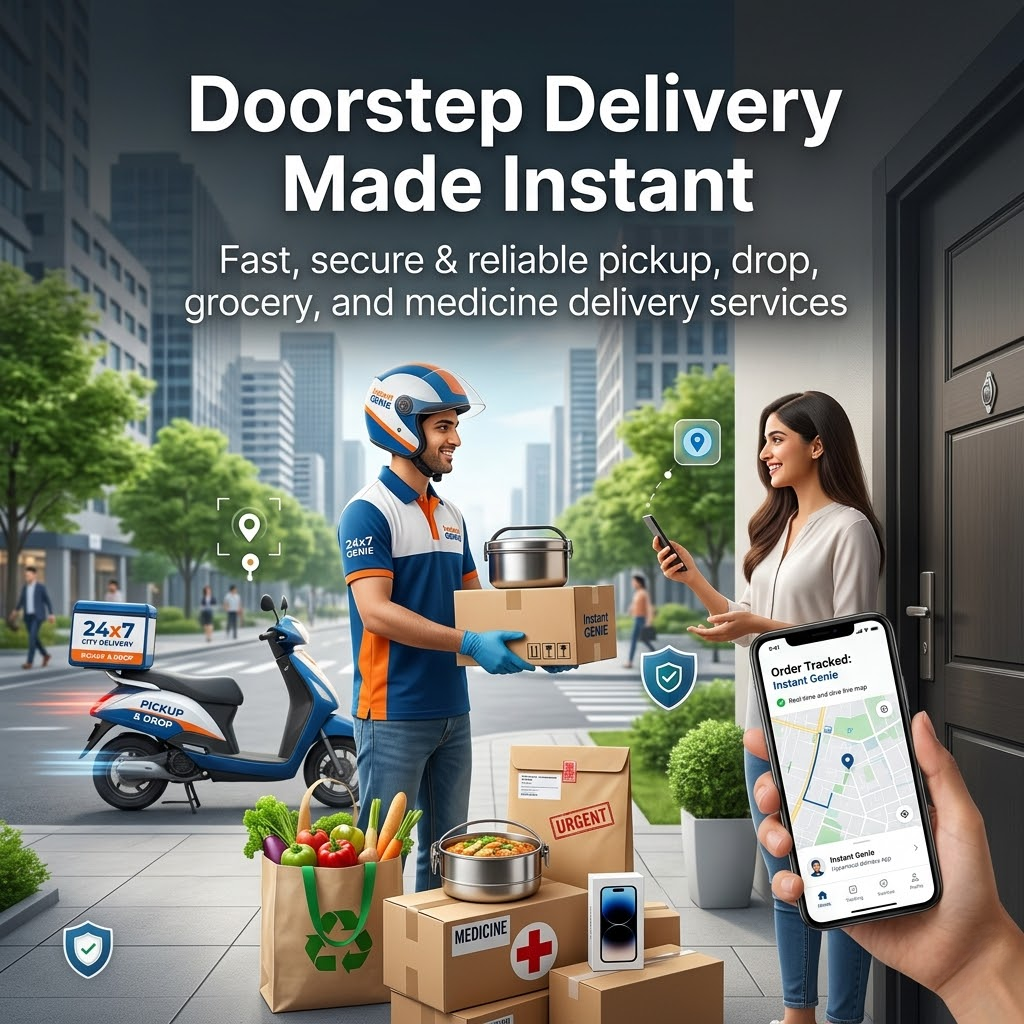
For consumers, convenience becomes effortless. There is no need to manage multiple platforms or worry about availability. The city itself becomes a responsive ecosystem.
A City That Works With You
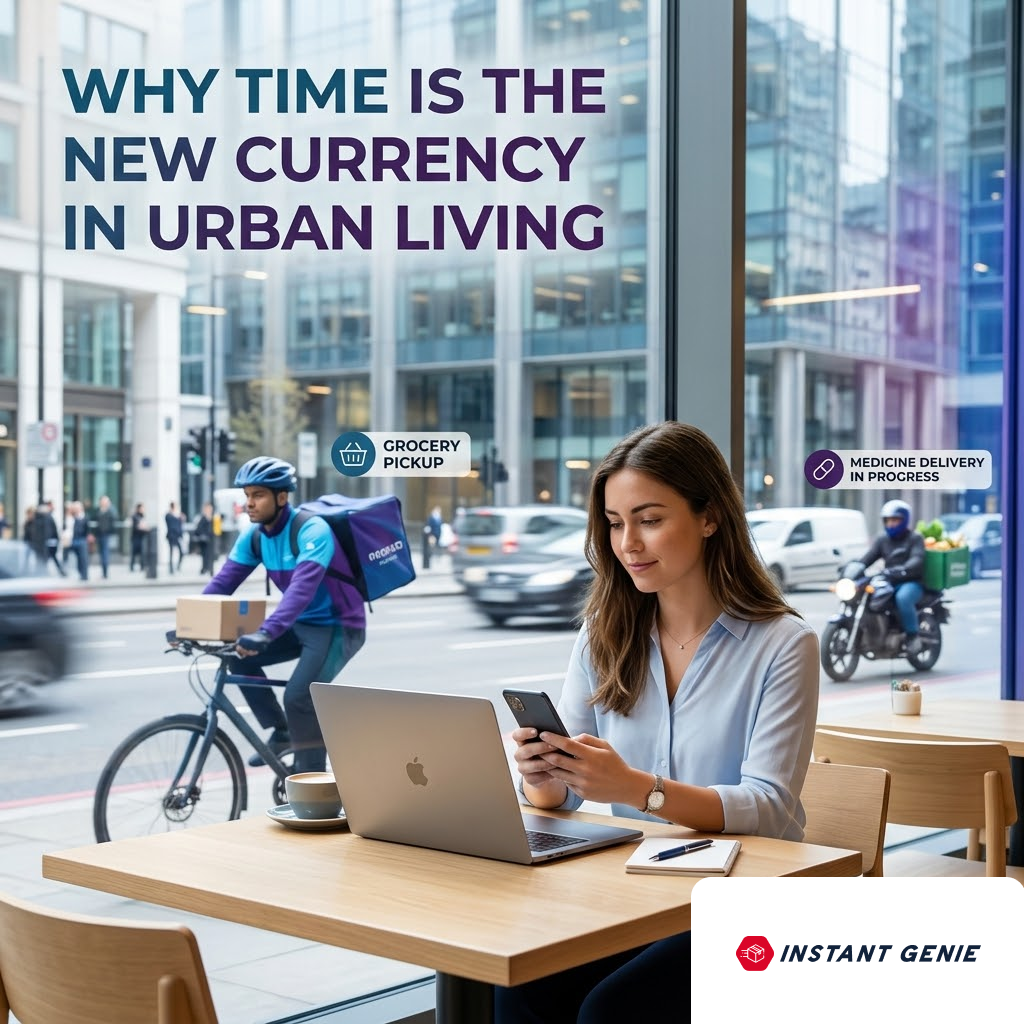
When convenience is unlocked, cities feel smaller, friendlier, and more accessible. Time once lost to coordination and waiting is reclaimed. Urban life becomes less about managing tasks and more about experiencing opportunities.
This is the future of city living—where technology doesn’t overwhelm, but quietly connects the dots. Where the city’s true potential is not built with more roads or buildings, but with smarter systems that understand how people actually live.
Unlocking the city’s hidden convenience is not a feature.
It’s a new way of moving through urban life.



Leave a reply